Many homeowners in Upstate New York rely on private wells — and many assume their water is just fine. But assumption isn’t the same as knowing.
The truth is, well water can be safe to drink. But only with regular testing and proper maintenance. Unlike city water, private well water is entirely the homeowner’s responsibility — and that’s something most people don’t fully realize until there’s a problem.
Well Water vs. City Water: A Key Difference
Public water systems are regulated, treated, and monitored under federal law. The EPA’s drinking water standards apply to municipal suppliers — not to you. If you own a private well, there is no automatic testing, no mandatory treatment, and no government oversight. It falls completely on the homeowner.
Approximately 43 million Americans — about 15% of the population — use private wells as their primary water source. In the rural stretches of Upstate New York, that number represents a significant portion of households across regions like the Finger Lakes and the Mohawk Valley. At Aquanology, we work in these communities every day, helping homeowners take control of their water safety.
Common Well Water Contaminants
Knowing what to look for is the first step. Here are the most common contaminants we encounter on private wells in Upstate NY:
Bacteria & Microorganisms — Coliform and E. coli bacteria are the most frequent risk in contaminated well water and can cause serious gastrointestinal illness. They most commonly enter wells through septic system failures, flooding, or surface water intrusion. Shallow wells are especially vulnerable and can fluctuate with the seasons.
Nitrates — Common in Upstate NY’s farming communities, nitrates typically come from agricultural runoff and fertilizers. At high levels, they pose a serious health risk to infants under six months, potentially causing a dangerous condition known as “blue baby syndrome.”
Arsenic — Naturally occurring arsenic is common in New York State bedrock and can leach into well water over time. The NY Department of Health offers a Private Well Risk Mapper so homeowners can check their local risk level. Long-term arsenic exposure has been linked to cancers of the skin, liver, and lungs, as well as cardiovascular disease.
Hard Water Minerals — Calcium and magnesium aren’t a direct health risk, but they cause real problems: scale buildup, appliance damage, spotted dishes, and dry skin and hair. Water hardness is extremely common across Upstate NY, and it’s one of the most frequent issues we address.
Iron & Manganese — These naturally occurring metals give water a metallic taste and leave behind orange, brown, or black stains on fixtures and laundry. Manganese in particular has been associated with neurological effects in developing infants when consumed above recommended levels.
Sulfur — That rotten egg smell? That’s hydrogen sulfide gas, and it’s common in rural Upstate NY wells. While not typically dangerous at levels found in private wells, it makes water unpleasant to use and can cause corrosion in pipes over time.
PFAS — These “forever chemicals” are an emerging concern, particularly near industrial sites and military bases. If you suspect your area may be affected, consult your local health department or a water treatment professional.
Signs Your Well Water May Have a Problem
You don’t always need a lab test to know something is off. Watch for these warning signs:
- Unusual taste — metallic, salty, or bitter
- Odors — rotten eggs, musty, or chemical smells
- Discoloration — brown, orange, or cloudy water
- Staining on sinks, fixtures, or laundry
- Unexplained gastrointestinal illness in the household
- A well located near a septic system or prone to surface water intrusion
- Recent flooding, nearby construction, or new agricultural activity nearby
Any one of these is a reason to test.
How Often Should You Test?
Private well owners should test for bacteria at least once a year, and for other contaminants every three to five years. Late spring or early summer is the best time. Test more frequently after flooding, septic issues, well repairs, or any noticeable change in water quality.
Aquanology offers free basic onsite water testing for homeowners in our service area, along with access to certified labs for more comprehensive analysis.
What to Do If Your Test Comes Back Positive
Don’t panic — most issues are treatable. Stop using the water for drinking and cooking immediately and work with a water treatment professional to identify the right solution. Common treatments include UV purification for bacteria, water softeners for hardness and iron, reverse osmosis for arsenic, nitrates, and PFAS, and whole-house filtration for broader concerns.
The Bottom Line
Yes, well water can be safe — but only if you take responsibility for it. Unlike city water customers, private well owners are on their own. The good news is that the tools exist to keep your water clean and your family protected.
Get Your Well Water Tested by Aquanology
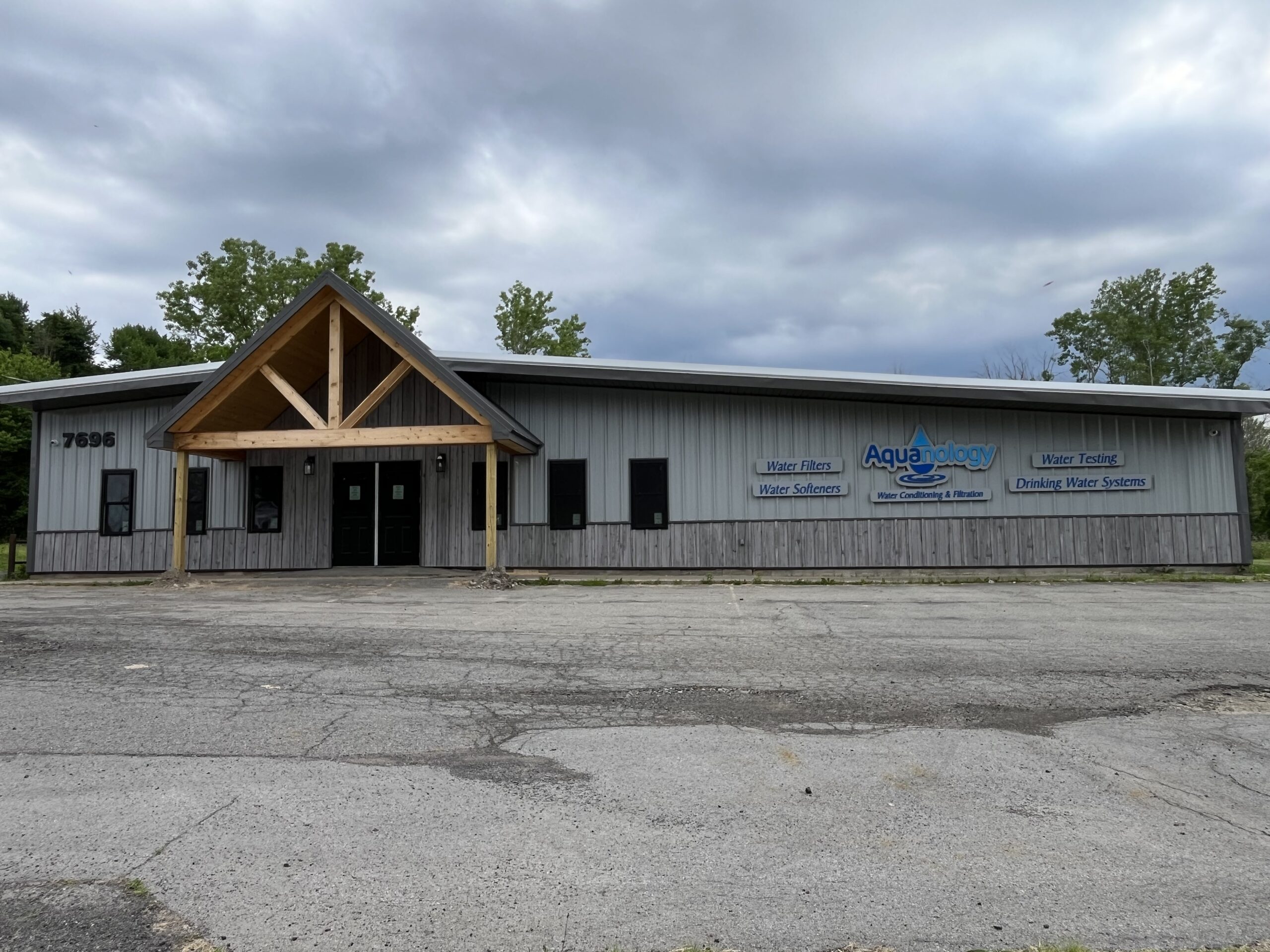
Not sure what’s in your water? Aquanology offers free basic water testing and consultations for homeowners in the Rochester, and Newark areas. Locally owned and operated since 2013, we use certified products and proven methods to help you take control of your water quality. Contact us today to learn more.