Reverse Osmosis Water Systems For Upstate NY

Reverse Osmosis Water System Installation for Your Home

A reverse osmosis water system gives you clean, great-tasting water right at your kitchen sink. Since many bottled water brands use similar reverse osmosis systems to create that crisp clean water taste you love, an in-house reverse osmosis system works much like a small bottled water plant under your counter.

Aquanology designs and installs each reverse osmosis water system around your tap or well water. We look at your home, plumbing, and water test results. Then we build a setup that fits your family and your needs.

How a Reverse Osmosis Water System Works

A reverse osmosis water system is a multi-stage water filtration unit. Water flows through sediment and carbon pre-filters first. These filters catch dirt, sand, chlorine, and bad tastes so the main membrane lasts longer.

Next, water moves through the RO membrane inside the reverse osmosis water system. This thin semi-permeable membrane sheet blocks dissolved solids, chemicals, and many bacteria and viruses. Think of it like a tight screen that lets water through but not tiny problem particles.

A final carbon filter inside the reverse osmosis water system polishes taste. Some setups store treated water in a small tank. Other tankless, on-demand units send it straight to the faucet, fridge, or ice maker for fast use.

Signs You Need a Reverse Osmosis Water System

Strange tastes or smells can point to the need for a reverse osmosis water system. Chlorine, metal tastes, or musty odors often show up first in cold drinks. These are strong hints that your tap needs better water filtration.

Cloudy ice, white spots on glasses, or a film on coffee can mean high dissolved solids. A point-of-use reverse osmosis water system fixes these issues right at your tap. It can also cut your bottled water use and save money over time.

Families on well water or with concerns about lead, nitrates, or PFAS often choose reverse osmosis systems. Aquanology recommends testing first so your reverse osmosis water system targets the right contaminants.

Testing Your Water Before Installation

Good design starts with a TDS and hardness test at the tap. A technician measures total dissolved solids before choosing your reverse osmosis water system size. High TDS often means extra minerals or other dissolved material that needs removal. High hardness (or iron) can indicate pretreatment needed before the reverse osmosis system.

If needed, a lab test checks for lead, nitrates, PFAS, and more. Lab results help tune your reverse osmosis water system and any needed pre-treatment. These tests guide filter choices, tank size, and flow rate. They help your reverse osmosis water system run smoothly and maintain strong TDS reduction for many years.

Ideal Setup and Care for Your RO System

A reverse osmosis water system should sit in a clean, dry, and heated location. Good spots include under-sink cabinets, utility rooms, or mechanical spaces. Avoid crawl spaces, damp pits, or cold garages.

Pre-treatment often protects the RO system and its membrane. Filtration systems for hardness, iron, or heavy sediment keep scale and stain problems away. This keeps your reverse osmosis water system working with fewer service calls.

Aquanology records each reverse osmosis water system with installation date and filter schedule. We add proper shutoff valves for easier service. Regular filter changes and checkups keep water quality steady.

Everyday Ways to Use RO Water

Water from your reverse osmosis water system tastes clean and refreshing. It improves soups, pasta, and baking. Coffee and tea taste clearer, without bitter notes from minerals or chlorine.

Many homeowners feed the fridge and ice maker from the reverse osmosis water system. This gives you clear ice and cold drinking water in one simple move. It also helps protect small ice maker parts from scale.

You can use RO water for baby formula and pet bowls too. A right-sized reverse osmosis water system handles these needs while still filling glasses and pitchers.

When to Replace Filters or Call a Pro

If TDS readings at the RO faucet climb near tap levels, the membrane may need replacement. Slow flow or tanks that refill slowly are also warning signs for your reverse osmosis water system.

Follow the filter change schedule for sediment and carbon stages. These protect the heart of the reverse osmosis water system, the membrane, from clogging. At times, sanitizing the tank and lines prevents odors and buildup.

When issues appear, Aquanology can test, service, or replace parts of your reverse osmosis water system. Our goal is steady performance and clean water every day.

Trust Aquanology for Reverse Osmosis Systems

Aquanology understands city and well water challenges in our region. We help you choose between a drinking reverse osmosis water system at the sink and larger whole-house reverse osmosis systems.

We design, install, and maintain your reverse osmosis water system for years of service. From the first water test to future filter changes, our team supports your home water filtration plan.

When you are ready for cleaner tap water, schedule a visit. We will test your water, explain choices, and build a reverse osmosis water system that fits your family.

Why Choose Aquanology?

Get In Touch

Embrace the change towards cleaner, safer water with Aquanology’s water purification systems. Contact us today to find the perfect solution for your home.

Our Process is Simple

1. Free Consult

Contact us about your water quality challenge. We arrange an appointment at your convenience to meet at your location for a free water test and consultation. This includes tests for hardness, iron, pH, and total dissolved solids (TDS).

2. Custom Solution

Based on your water test result and estimated water usage we come up with a customized solution to fit your needs. We realize that everyone’s budgets and expectations are unique and take that into consideration as well. We do this by giving you options to choose from and helpful information so you can make a wise decision.

3. Installation

We install a system that will serve you well for years. Your system is backed by an excellent manufacturer’s warranty and our company’s performance guarantee. We offer a full line of scheduled maintenance services, as well as our “just a phone call away” phone support and service for emergencies that may arise.

Benefits of Using Reverse Osmosis Systems

The taste from a glass of RO water does speak for itself, but scientifically, RO filtration has some very specific benefits including:

  1. Removal of Contaminants: Reverse osmosis systems are great at reducing the stuff in your water that shouldn’t be there. Putting together the RO membrane with the carbon pre and post filters, the system filters out things like metals, chemicals, pesticides, and even cyst type bacteria, making sure that your water is cleaner and safer to drink.
  2. Improved Taste and Odor: Ever notice that tap water sometimes tastes or smells a bit funny? That’s because it can pick up flavors and odors from things like metals, organics, or other contaminants. Even the common disinfecting chemical chlorine adds a taste and smell that many find to be unappealing. But with a reverse osmosis system, those impurities are taken out, leaving your water tasting fresh and odor-free. It’s like having your own bottled water machine right at home!
  3. Health Benefits: One of the most common health problems associated with water is not drinking enough of it. By giving your home or business convenient access to clean, crisp tasting water means there’s a better chance that you’ll hydrate sufficiently. Plus, you can feel confident that you’ve done your part to ensure that potentially harmful contaminants are reduced. So, investing in an RO system is investing in your health.
  4. Environmental Sustainability: Choosing a reverse osmosis system over bottled water is not just good for you, it’s good stewardship too. Bottled water creates a lot of plastic waste, which ends up polluting our environment. By using an RO system, you’re cutting down on plastic waste and doing your part to reduce trash. Plus, RO systems use less energy than other water purification methods, making them a more eco-friendly choice.
  5. Cost-Effectiveness: While it might seem like a big investment upfront, a reverse osmosis system saves you money in the long run. Think about how much you spend on bottled water over time – it adds up! With an RO system, you’re making clean water right at home, so you don’t need to keep buying expensive bottled water. Plus, maintenance costs are low, making it a budget-friendly choice for clean water.
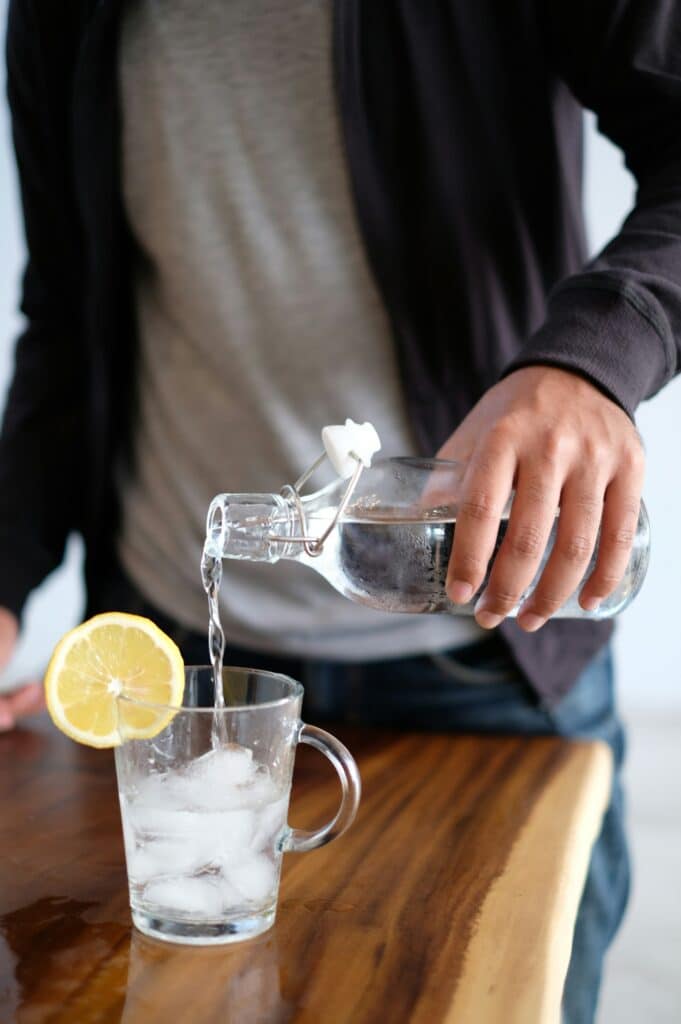
someone pouring reverse osmosis water from a bottle into a glass

In short, reverse osmosis water filtration systems offer many benefits, from making your water safer to drink and better tasting to saving you money and helping reduce trash. So, if you’re looking for cleaner, tastier purified water that you will love, an RO system is the way to go.

What Our Customers Have to Say

Frequently Asked Questions

Without knowing the actual contaminant, it is difficult to say for certain how well an RO system will function. There are some rare cases where there are chemicals whose molecules are small enough that an RO membrane alone will not effectively reduce them. That is, however, the beauty in that most RO systems come paired with carbon filters, because in some cases, what an RO membrane will not reject, a carbon filter will remove by adsorption. In short, an RO system paired with good quality carbon filters is an effective reduction tool against some of the most wide spectrums of contaminants.
Because of the way the reverse osmosis process works, these systems generally function better when they are run for half an hour or so at a time, versus only a minute or two when the faucet is open. Therefore, most common RO systems filter water slowly and fill a reserve tank that you can dispense from at your convenience.
The RO membrane life depends largely upon water quality. In poor water quality cases, especially when the water has high iron or hardness levels, it may foul after only one year of usage, but if water is correctly pre-treated and softened before the RO, it may last three years or more. The best way to tell is to use a TDS meter to measure the incoming water levels, and compare that to the product water TDS levels. If the percentage of rejection is still inline with manufacturers specifications, then a membrane replacement is not yet necessary.

Confused with all the options?

You don’t have to be! We desire to bring you recommendations that are as clear as the water you desire!

Related Content

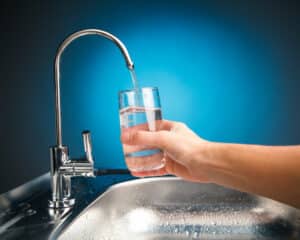
hand pouring a glass of water from a reverse osmosis filter tap
Reverse Osmosis

Whole House RO Systems: What Homeowners Need to Know

Why Consider a Whole House RO System? Many people have realized the added benefits that a drinking water reverse osmosis system adds. Purer, worry-free, better-tasting water, which also makes better coffee, tea, and other beverages, is the biggest advantage. Often, the question comes up—why wouldn’t I install a reverse osmosis
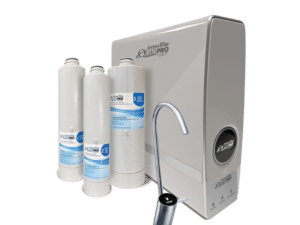

Reverse Osmosis Water Purification System
Reverse Osmosis

New Product! Interflo QuadPro SST Drinking Water RO System

Aquanology is pleased to introduce the Interflo QuadPro SST, a cutting-edge reverse osmosis (RO) water filtration system for enhanced water quality. After extensive testing, manufacturer certification, and infield trials, we believe that the wait has been worth waiting on. What’s New About This Reverse Osmosis System? While point of use

someone pouring reverse osmosis water from a bottle into a glass
Reverse Osmosis

What is a Reverse Osmosis Drinking Water System?

How many of us today can relate to opening the tap for drinking water, and finding that the water taste is unpleasant? Or, having drinking water that tastes fine, but has health and safety-related contaminants lurking within? The likely result? We won’t drink the required amount of life sustaining water,