Water Softening
What Size Water Softener Do I Need? A Complete Sizing Guide
Hard water can be a nuisance in any household. From mineral buildup on fixtures to the reduced lifespan of appliances, it can cause a range
Upstate NY Water Softener Company Offering Expert Well Water Softener Services
If you use a private well, your water touches everything in your home. A water softener for well water protects that entire system. Hard well water across upstate New York often carries calcium, magnesium, iron, and other minerals. These minerals leave scale, stains, and film on sinks, tubs, fixtures, and glass.
A well designed water softener for well water treats hardness at the source. It protects pipes, water heaters, and appliances from buildup that can shorten their life. It also helps your skin and hair feel better in the shower and after every wash. With the right water softener for well water, your home runs smoother, looks cleaner, and feels more comfortable every single day.
A water softener for well water is a whole home system that removes hardness minerals from your water supply. Hardness comes from calcium and magnesium dissolved in the ground. These minerals move from rock into your well water as it travels through soil and stone. Once inside your home, they cling to surfaces and form hard white scale that becomes tough to scrub away.
Inside a salt based water softener for well water, the main work happens in the resin tank. The tank holds tiny beads that carry a charge. These beads attract hardness minerals and trade them for the soft mineral sodium. This process is called ion exchange. Think of it like a trading process. The beads pull the rough minerals out and send softer water forward. That is how a water softener works at a basic level.
A water softener for well water connects to your main line near the pressure tank. Every drop of water flows through the resin bed before it reaches taps, showers, and appliances. This turns hard well water into soft water for your whole home. Your water feels smoother, and your plumbing faces less stress each day from scale and buildup.
Many homes across upstate New York sit on rock that adds minerals to well water. Over time, calcium and magnesium collect inside pipes, on shower doors, and in water heaters. A water softener for well water blocks this buildup and keeps scale from growing thicker each year.
Hard water affects more than looks. Scale coats heating elements in water heaters and shortens the life of pipes and appliances. It narrows openings inside fixtures and reduces water pressure at sinks and showers. In some homes around Rochester NY, old lines can clog with scale and iron sludge. A water softener for well water slows that damage and helps equipment last longer with fewer breakdowns.
Hard well water also changes how your body feels. Soap does not rinse clean, so it can leave a film on skin and hair. This film often leads to dry skin, itchiness, and dull hair. A whole home water softener for well water restores a cleaner rinse. Showers feel better, and skin often feels calmer and less tight after bathing.
You can spot many signs of hard water without a test kit. White spots on dishes, glasses, and faucets point toward hardness. A water softener for well water helps those spots fade over time and makes cleaning easier. You might scrub the shower often and still see chalky lines and soap scum on tile and glass. That happens when hardness reacts with soap during every shower.
Laundry tells a similar story. Towels can feel stiff and rough after they dry. Colors fade sooner in shirts and bedding. Whites turn gray or yellow even with extra detergent or hot water cycles. With a water softener for well water, detergent works better and rinses cleaner. Clothes and towels feel softer because less mineral sticks to the fabric.
Plumbing symptoms matter too. If several fixtures show weak water pressure, scale buildup might be squeezing the line. Hardness and iron also collect at the bottom of water heaters. This sludge reduces hot water volume and raises energy use because the heater works harder. A water softener for well water and proper water conditioning often cost less over time than constant repairs and early replacements.
Before you choose a water softener for well water, you need solid test results. Guessing hardness levels can lead to the wrong size water softener and poor performance. Simple home strips can give a rough idea, but deeper testing tells the full story behind your water.
Professional testing for private wells in upstate New York often checks hardness, iron, pH, and total dissolved solids. In some cases, tests also look for manganese, sulfur odors, or bacteria. These results guide the setup of a water softener for well water and any filters that work beside it. Proper water conditioning deals with each issue in the right order so equipment lasts.
Accurate tests help set the system’s hardness value in the controller. They also help plan the right salt dose and regeneration schedule. This keeps water usage efficient and avoids wasted salt and water. With good data, your water softener for well water runs smoothly and gives predictable results at every tap in the house.
A salt based water softener for well water cycles through service and regeneration. During service, hard well water flows into the resin bed tank. The resin beads pull out calcium and magnesium. The system sends soft water out to your home through the plumbing network.
After the beads reach their limit, the unit starts regeneration. First, water flows into the brine tank and creates a strong salt solution. Next, that brine moves through the resin tank. It knocks hardness minerals off the beads and rinses them to drain. The beads hold sodium again and return to service mode.
The controller on your water softener for well water tracks gallons used through a meter. When the set number of gallons passes, the unit regenerates. Good settings match your household water usage and hardness level. This keeps salt levels under control and prevents wasted water during each cycle. With proper programming, your water softener for well water stays efficient, dependable, and easy to live with for many years.
Choosing the right size water softener matters as much as brand or model. A small water softener for well water regenerates too often and uses extra salt. An oversized unit may sit for long periods without freshening the resin bed. Both cases hurt performance and shorten system lifespan.
To size a water softener for well water, you look at three main pieces of data. First is hardness in grains per gallon. Second is daily water usage, often based on the number of people and fixtures. Third is the desired time between regenerations, usually several days. These numbers help pick the correct grain capacity and meter settings for your home.
A well sized water softener for well water keeps up with busy mornings, laundry days, and guests. It handles peak flow rate without dropping pressure at showers or sinks. For homes around Rochester NY and across upstate New York, Aquanology uses local patterns and tests instead of generic charts. This leads to water softener systems that match real life use in your area and support stable comfort.
Many owners want to know what a water softener for well water costs over its life. There is the upfront price, ongoing salt, and a small amount of extra water used during regeneration. At the same time, you save money by protecting pipes and appliances and improving energy use.
Hard water scale forces water heaters to run longer to heat the same amount of water. Dishwashers and washing machines fail earlier when scale clogs their parts. A water softener for well water reduces repairs, replacements, and emergency service calls. It also cuts back on soap, shampoo, and cleaning chemicals, because soft water helps them work more effectively.
When you look at the full picture, a water softener for well water acts like an insurance plan for your plumbing system. It keeps your water supply kinder to everything it touches. Over many years, that protection often outweighs the cost of salt and service, especially in hard water areas of upstate New York.
When you research a water softener for well water, you see both salt based systems and salt free systems. These terms sound similar, but the systems work in different ways. Understanding that difference helps you choose wisely for your home and your well.
A salt based softener uses ion exchange in the resin tank. It needs a brine tank and regular salt refills. The unit removes hardness minerals from the water. The result is true soft water that protects pipes and appliances from scale. For many private wells with high hardness in upstate New York, a salt based water softener for well water handles the job best.
Many salt free systems do not remove hardness. They often change how minerals crystalize so scale sticks less to surfaces. This approach can help light hardness in some city water. Strong hardness and iron in well water often need a salt based water softener for well water instead. If you want stable soft water in a rural home, a salt based system usually provides more consistent results than salt free water devices and conditioners.
Placement affects how well a water softener for well water protects your home. The goal is to treat the whole water supply as early as possible. In most well systems, the best spot sits after the pressure tank but before lines branch to fixtures throughout the house.
In upstate New York, location also needs freeze protection. Most water softeners for well water setups go in basements, utility rooms, or insulated pump houses. Outdoor pads can expose tanks and valves to freezing temperatures. Ice can crack tanks, damage seals, and ruin control heads. A protected indoor space helps your water softener for well water run year round without weather damage.
Good installation includes clear bypass valves and labeled lines. The installer leaves space around the resin tank and brine tank for service. Proper drains and overflow lines protect nearby areas from spills or leaks. When a water softener for well water sits in a clean, open space, routine checks and repairs stay quick and simple. You also feel more comfortable checking the system yourself between service visits.
Before installing a water softener for well water, it helps to measure current water pressure and flow rate. Pressure that is too low can point to clogged pipes, failing pressure tanks, or pump issues. Fixing those problems first gives your new system a strong starting point.
Flow rate is the volume of water your well and plumbing can deliver in a set time. A water softener for well water must match that flow so showers, washers, and dishwashers receive enough soft water at once. If the system is too small for the flow rate, pressure at fixtures can sag during heavy use.
Aquanology can check pressure and flow as part of a full survey. That information helps select a water softener for well water that fits your well, your plumbing, and your family’s habits. It also prevents surprises after installation and supports smooth performance from day one.
Once a water softener for well water goes online, the controller handles most daily work. During setup, the installer enters hardness, tank size, and safety factors. The meter then watches water usage through each day. When the set capacity nears its limit, the controller starts regeneration at the chosen time.
Owners mainly monitor salt levels in the brine tank. Salt should stay above the water line but not pack to the top. Keeping salt in a healthy range helps each cycle run as designed. If the tank runs empty, hardness can break through, and the resin can tire out faster. A water softener for well water performs best when the brine tank stays clean and filled with the right salt type.
Many households also use the bypass valve for outdoor tasks. Filling pools, watering large gardens, or washing farm equipment does not need soft water. Switching to bypass for these tasks can extend the capacity of your water softener for well water between cycles. This protects efficiency and keeps indoor water soft and steady at every tap without wasting treatment on outdoor jobs.
A water softener for well water can protect your home for many years with basic care. Regular visits from a trained technician keep valves, seals, and settings in good shape. Service checks also confirm that your system still matches your water usage and hardness level as your family grows.
The brine tank needs attention from time to time. Salt can form crusts or hard bridges that block water from reaching the salt bed. A technician can break these bridges and clean the tank. Some wells in upstate New York also benefit from resin cleaner. This product washes iron and manganese off the beads and helps a water softener for well water stay strong and responsive.
Annual or biannual water tests help track changes in your well. Heavy storms, new construction, or farming activity can shift mineral levels. Fresh results show whether your water softener for well water settings still fit the new conditions. Small changes in programming protect pipes and appliances and maintain smooth water pressure throughout the home during every season.
Many homeowners notice the biggest change from a water softener for well water in the bathroom. Hard water leaves a thin film on skin and hair. This film traps residue from soap and shampoo. Over time, it can cause dry skin, itchiness, and dull hair color. Children and those with sensitive skin feel this impact strongly and may complain after baths.
When a water softener for well water removes hardness minerals, water feels cleaner on the body. Soap bubbles more easily and rinses away without film. Hair can feel smoother and less tangled after each wash. Many families report using less shampoo, conditioner, and lotion once their water softener for well water runs correctly and stays in tune.
Soft water also changes the bathroom itself. Glass doors, tiles, and fixtures collect less scale and soap scum. You spend less time scrubbing white spots from surfaces and more time enjoying a clean space. A stable water softener for well water supports comfort, reduces cleaning time, and keeps skin and hair feeling healthy and refreshed.
Even strong equipment wears out over time. A water softener for well water might need repair or replacement after many years of service. Warning signs include hard water returning soon after regeneration, noisy valves, or frequent error codes on the controller panel.
Salt problems give clues as well. Repeated salt bridges in the brine tank or sudden drops in salt levels can signal issues with draw or refill cycles. If a water softener for well water needs constant service calls, parts may be near the end of their life. In that case, replacement often costs less over the long run than ongoing repairs that never fully solve the problem.
Changes inside the home also matter. New bathrooms, a finished basement, or more family members increase water usage and demand on the system. A small, older water softener for well water might not keep up with new peak flows. Upgrading to a modern unit with better metering and flow rate control protects pipes and appliances and keeps soft water comfort stable as your family grows.
Homeowners often ask if a water softener for well water wastes a lot of water. Modern metered units watch real water usage and regenerate only when needed. This smart control uses less water than older time clock systems that run on a strict schedule. Correct sizing and programming keep waste low while your home still enjoys soft water.
Another question is whether a water softener for well water removes dirt, sand, or smells. The short answer is no. The softener’s job is hardness. Sediment filters and other units handle grit, odor, or special concerns. Many homes in upstate New York use a simple filter before the water softener for well water. This protects the resin from clogging and helps the whole setup work better over time.
People also wonder if a water softener for well water will change the taste. Soft water often tastes smoother because hardness drops. Some owners add a separate drinking water filter at the kitchen sink. This gives clean, filtered water for cooking and drinking while the main softener protects the entire water supply and plumbing in the background every day.
Seasons in upstate New York change fast, and your water softener for well water feels those shifts. In winter, basements and pump houses can get cold. Make sure the softener and brine tank sit in spaces that stay above freezing. A frozen drain line can crack pipes and stop regeneration until repairs happen.
Spring brings heavy rain and snowmelt. Wells can see small changes in water usage and quality during this time. It is smart to check salt levels, watch for cloudy water, and run a quick test after large storms. Your water softener for well water might need a minor setting change if hardness jumps or iron levels shift.
Summer and fall often bring higher water usage from guests, gardens, and outdoor cleaning. You might see regenerations happen more often as demand climbs. A quick mid season review with Aquanology can confirm that your water softener for well water still matches your seasonal habits and continues to protect pipes and appliances all year.
Aquanology focuses on private wells in upstate New York, including the Rochester NY region. Local focus means the team sees the same hardness, iron, and odor patterns across many homes. Every water softener for well water design starts with testing, not guesswork. That data helps select the right mix of filtration and softening for each address.
For some homes, a sediment filter clears sand before the water softener for well water. Others need iron or manganese filters ahead of the softener to protect the resin. Aquanology builds each setup so every stage supports the next. Clear explanations help you understand how each part protects your water supply, your pipes and appliances, and your family’s comfort every day.
Ongoing support matters too. Aquanology offers service plans, salt delivery options, and follow up testing. Your water softener for well water stays tuned for changing seasons, shifting wells, and growing families. When you need help, you talk with people who understand local wells, local plumbing, and local homes, not a distant call center.
If you feel tired of stains, low water pressure, and dry skin, it may be time for a water softener for well water review. A short visit and proper tests reveal what hides in your water and how to treat it. With that information, Aquanology can match your home with the right water softener for well water and support equipment.
From there, the team handles design, installation, and long term care. Your water softener for well water works with filters to protect your home from hardness, iron, and other problems. You gain clearer fixtures, softer laundry, smoother showers, and better comfort in every room.
Reach out to Aquanology today to schedule testing and a system review. Together, you can choose a water softener for well water that fits your well, your family, and life in upstate New York.
At Aquanology, water softeners are our specialty, so you can rest assured we understand our them inside and out. Our process for a water softener replacement is as clear and simple as the water you desire.
Contact us to schedule a consultation. Here we’ll perform an onsite water test and system evaluation
We’ll provide a no-obligations recommendation for the right system (size, capacity, salt vs. salt-free) based on your home size and water quality. Our no-obligations quotes include:
Removal and disposal of the old softener unit
Professional installation of your new system
Post-installation water test and/or follow-up visit to ensure effectiveness
We install a system that will serve you well for years. Your system is backed by an excellent manufacturer’s warranty and our company’s performance guarantee. We offer a full line of scheduled maintenance services, as well as our “just a phone call away” phone support and service for emergencies that may arise.
Contact us today to schedule your water softener repair service. We’ll evaluate your system, identify the issue, and restore proper performance so you can get back to enjoying soft, clean water as quickly as possible.

 Ellen LoebelenzAugust 16, 2024
 We had a water softener installed by Aquanology. This is a family business. They were very patient with all our questions and answered them thoroughly. Matthew did the install - he was always very prompt and professional. He took the time to show us what we needed to do to ensure everything will continue to work smoothly. The pricing was very reasonable and offered great value for the quality of service/product provided. I was pleasantly surprised by how affordable it was without compromising on quality. We highly recommend this company!
 Janice MooreJuly 18, 2024Monday replaced watersoftner system with them. I would highly recommend them for instalation and service of unit. Very knowledgeable and professional. They review all your options and give choices for you to decide.
 scott marsdenJuly 4, 2024Matthew was very professional and punctual. We are very pleased with the new water softener installation. Great experience. Would recommend them for your next water softener project. 5 stars all the way
 Elaina Basta KayhartMay 22, 2024I am very pleased with the service I received from Aquanology! Fair & transparent. Matthew was extremely responsive from my initial contact to the site visit.
 Kilo GMay 16, 2024Matthew helped up troubleshoot a tricky issue regarding lead coming from only one of the sinks in our house. He helped us understand what was likely happening, and presented several options for addressing the issue. We are in good shape now after deciding on the option that made the most sense for us. We would not hesitate to use Aquanology again.
 Nicholas ParadiseApril 4, 2024FANTASTIC SERVICE! Worked within my budget and got my softer going in great time would highly recommend!
 Nicole EcklerMarch 23, 2024We just had a full home RO system installed and Aquanology was great to deal with. They have competitive prices and were very responsive to all of our questions and concerns. They explained everything in detail prior to installation and only needed one day to get the system hooked up and ready to go. It was set up neatly and they labeled everything with notes and instructions to make it easier for us. We were very happy with the service received and are glad they have a location so close to our home (Fort Plain).
 J HurstMarch 6, 2024Freindly knowledgeable staff who keep current with their education on emerging contaminants.
 Wendy RyderFebruary 22, 2024We purchased a water softener system and their customer service was outstanding, communication throughout the process was great and the overall price of the system was significantly less than their competitors. I highly recommend this company for all your water needs.
 Geneva CoachFebruary 17, 2024Great Experience. Highly recommend. Should have done years ago!Google rating score: 5.0 of 5, based on 77 reviews
Ready to fix your well water? Explore water softeners. Contact Aquanology today for expert service and reliable results.
Hard water can be a nuisance in any household. From mineral buildup on fixtures to the reduced lifespan of appliances, it can cause a range
Upstate New York is blessed with large quantities of fresh water from wells, lakes, and more. We use this water every day for drinking, household
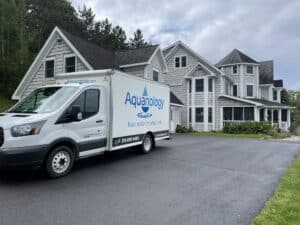
Water softener salt delivery is a convenient service that keeps your water softener running efficiently without the hassle of lifting and hauling heavy salt bags.